Most would agree that good teachers create an atmosphere in the classroom where learning takes place, guiding students as they obtain knowledge key to becoming educated citizens. Teachers help students reach their potential, understanding that some will master material easily, while others will struggle. In the end, though, everyone should learn something that will help them later on in life. That, in effect, is my goal in my French classes every period, every day.
So how do we train individuals to become teachers, who have not only mastered content specific to what they’re teaching, but also inspire and care for children, showing kindness and fairness no matter the situation? What are teacher education programs like at college and how do they differ from alternate route programs, which are often for people entering the profession as a second career and involve taking fewer courses courses than what is required for a degree in education? How important is student teaching to becoming a competent teacher?
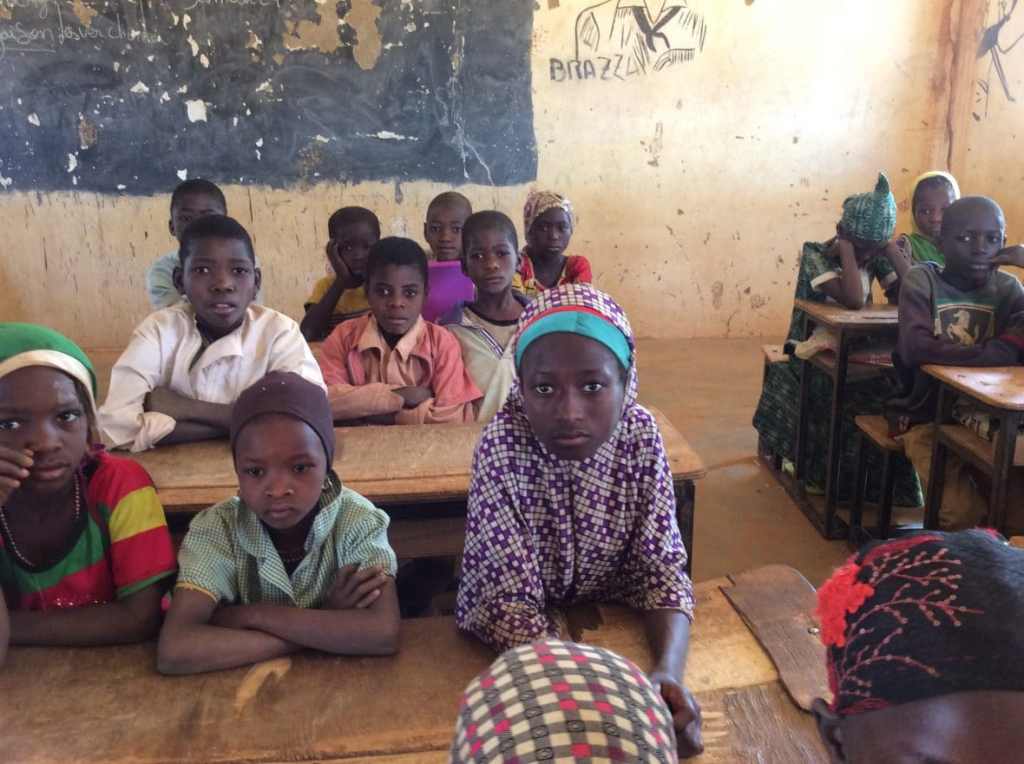
I learned to teach through the Peace Corps in Niger, West Africa. After college, with no prior education courses, the Peace Corps taught me how to develop lessons, make assessments, and create my own materials. For two months, during the summer before I started teaching, I learned what it took to teach without the use of textbooks, computers, authentic materials and audio equipment. In my village, the trainers told me, students would only have a notebook and pen, and I only a blackboard, chalk and eraser. The director of the education program in Niger would visit me twice that first year to make sure I was surviving. And I did.
That year, in a dusty town several hours from the capital, I taught my middle school students how to read, write, speak and listen in English. Some students paid attention, knowing their future of attending high school depended on their passing a national test at the end of the equivalent of eighth grade in the US. The ones who failed would not qualify for high paying, white collar jobs, and instead would have to learn a trade or work in the fields.
With this background in mind, I read with interest an article in Ed Week about America’s teacher preparation programs. So many programs exist in our country, and some schools don’t go through accreditation–it’s voluntary in most states. I wonder how my Peace Corps training–and later my alternate route program–would stack up against teaching programs at universities. For me, in the Peace Corps and later in public and private schools in the U.S., I learned how to teach by being in the classroom every day and having regularly observations and feedback from supervisors and colleagues. I debate if a formal teacher education program at a university would have made my transition to teaching public schools in America easier. These first few years with teens with attitude made me question I wanted to stay in education. But I thank my students in Dogondoutchi, Niger and the Peace Corps for giving me a solid understanding of what it took to teach with heart.
 Jennifer Nelson
Leave a comment